Siding
Fiber cement and engineered wood in six styles. Built for hail and UV. See the styles
- Typical Front Range job
- $8.5k to $22k
- On the house
- 1 to 2 weeks
Before
Hail, high-altitude sun, freeze and thaw. It shows up as faded siding, fogged glass, gray decks and weathered fences.
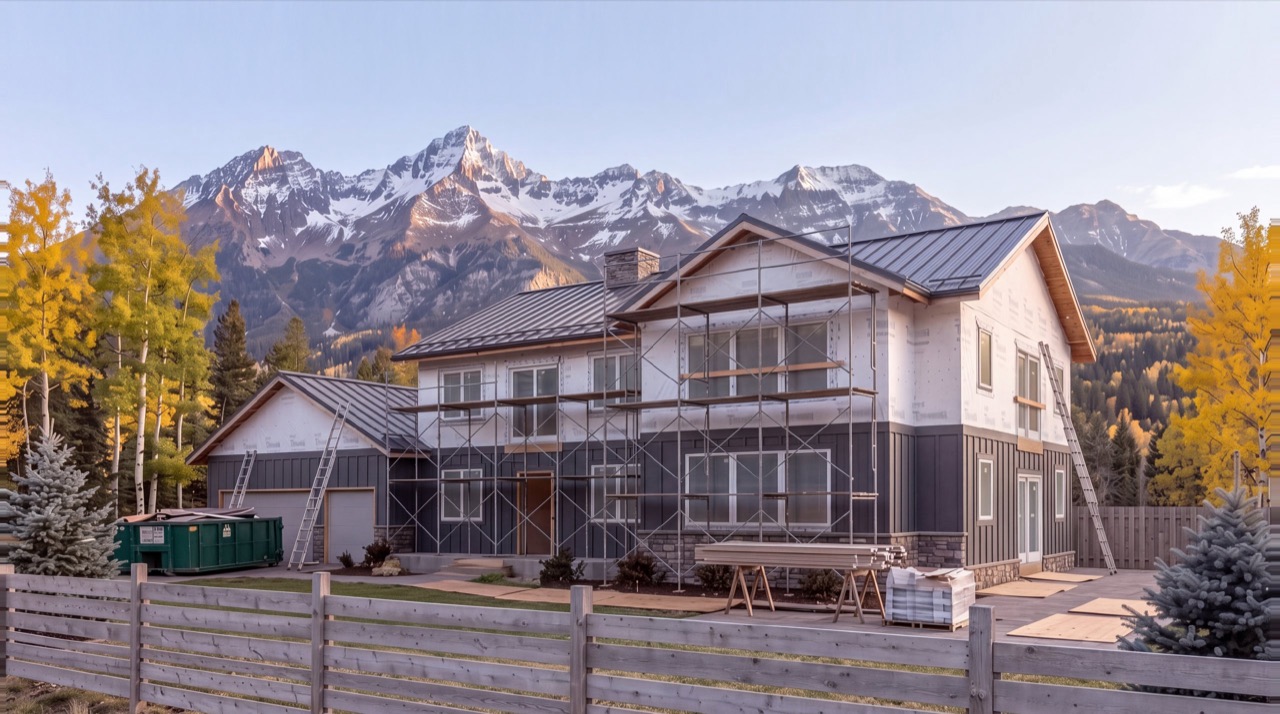
Step 1 of 5: Tear-off
Scaffolding goes up. Old siding, decks and rails come down to the sheathing, so nothing rotten gets covered over.
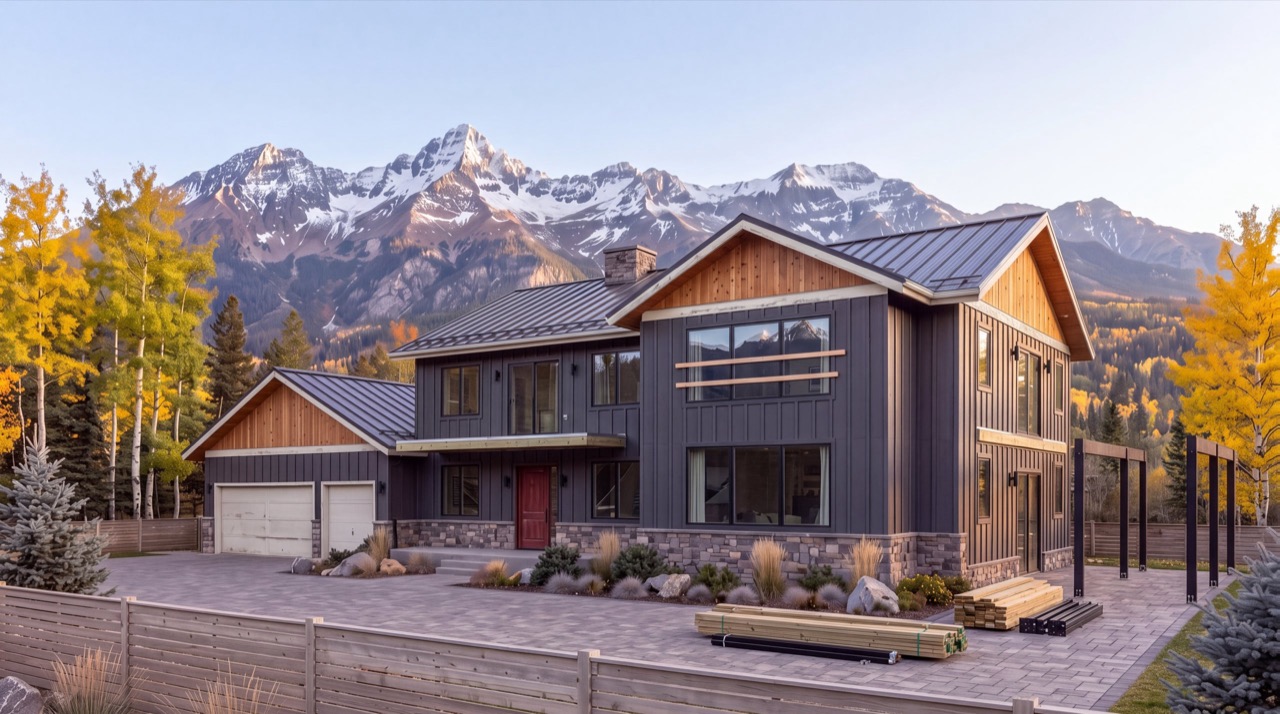
Step 2 of 5: Siding
House wrap and flashing keep water out of the wall. The stone base goes in first.
Step 2 of 5: Siding
Fiber cement board and batten climbs the wall, in a factory finish that holds its color and meets Colorado's wildfire code.
Step 3 of 5: Windows
Fogged glass means the seal failed. New fiberglass frames and clear low-E glass keep the heat where you want it.
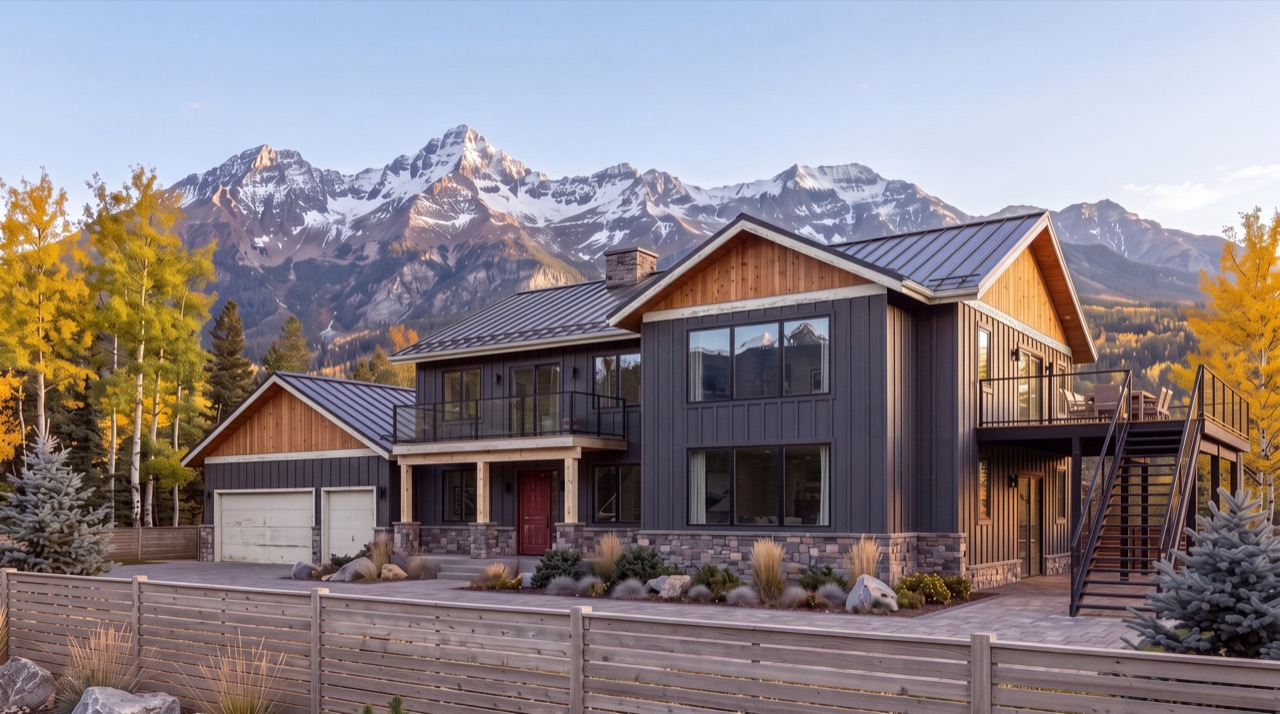
Step 4 of 5: Decks
New framing, composite boards, glass and steel rail, and stairs that pass inspection.
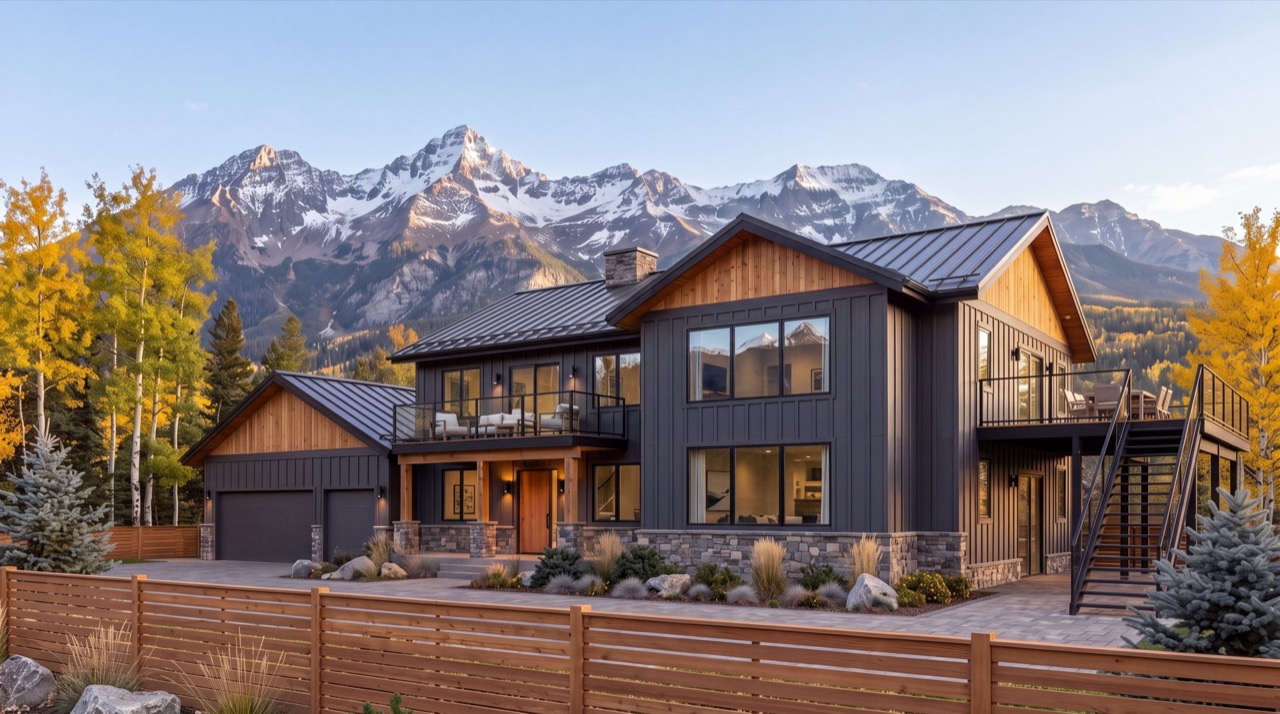
Step 5 of 5: Paint and stain
Trim, doors and gutters get exterior coatings made for sun at altitude. The fence gets a fresh cedar stain.
What we do
Most exterior jobs touch more than one trade. We handle all four, so nobody points fingers when the trim meets the siding.
Fiber cement and engineered wood in six styles. Built for hail and UV. See the styles
Fiberglass and vinyl replacements that meet Colorado's energy code, U-0.30 or better.
Ground-level and second-story decks on a properly permitted frame, with rails and stairs that pass inspection.
Exterior repaints and fence staining with real prep work: scrape, prime, caulk, two coats.
Demo figures from public 2025-26 Colorado cost guides. Kevin's real pricing replaces these before launch.
Siding styles
The style is the shape of the boards and the shadow they cast. Most homes mix two: one for the walls, another for the gables or the base.
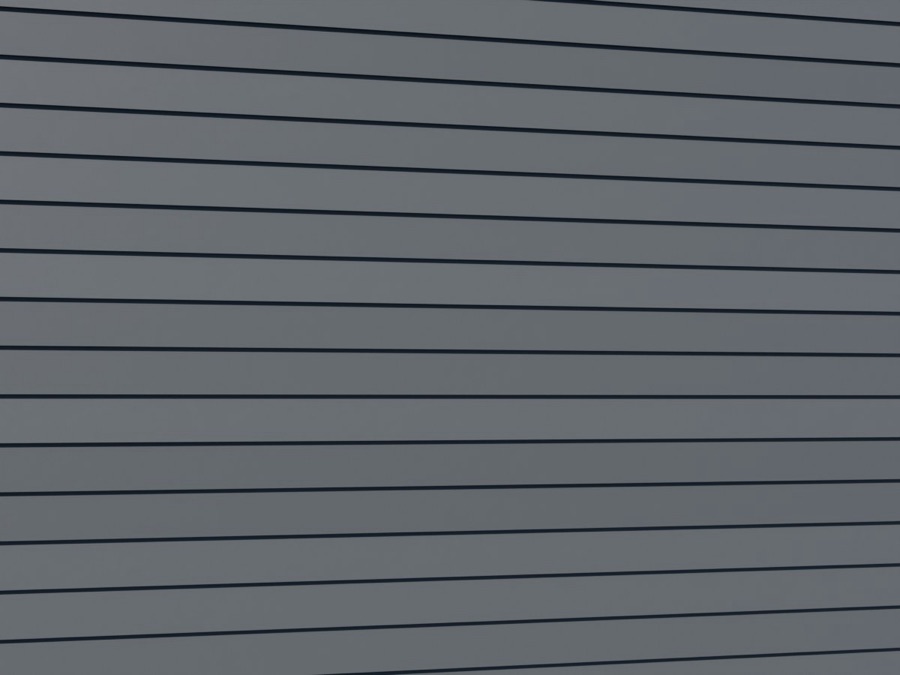
Long horizontal boards, each overlapping the one below. The most common siding in Colorado, and the easiest to match on an addition.
Suits nearly any house.
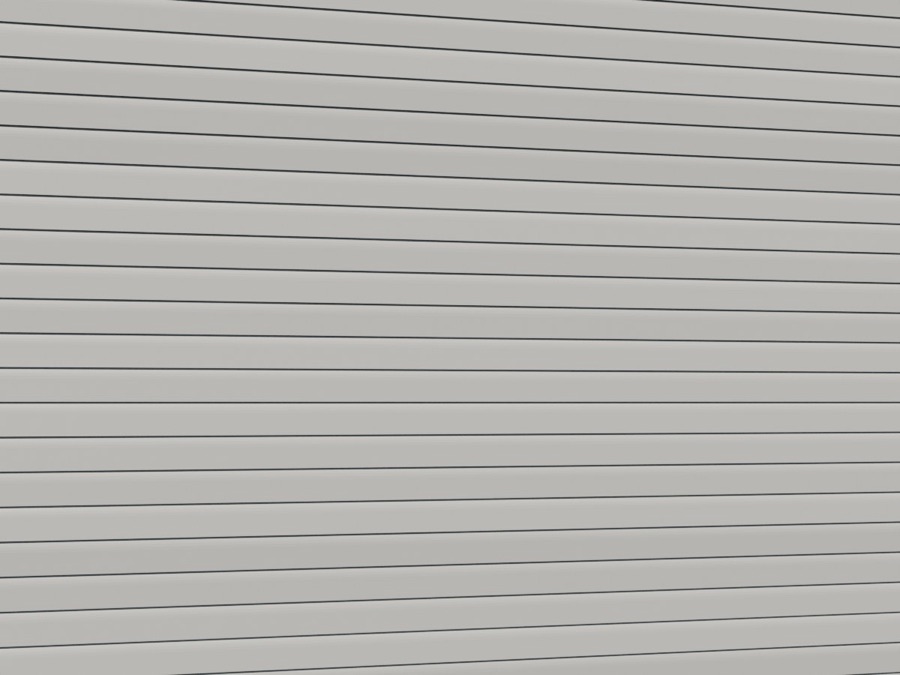
A lap board with a curved groove cut along its top edge, so every course throws a deeper shadow line.
Suits traditional and colonial homes.
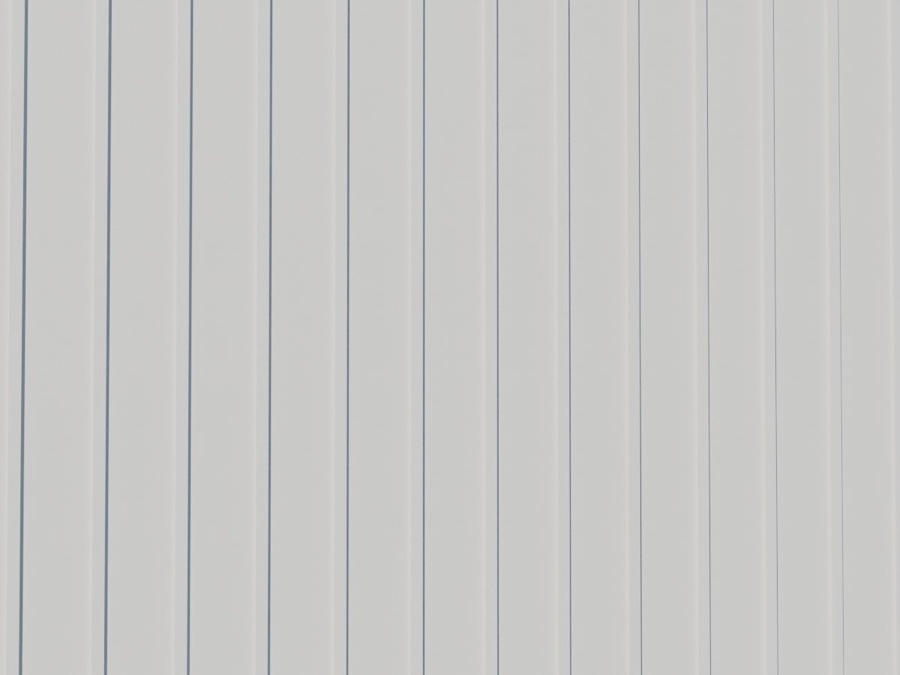
Wide vertical boards with a narrow strip over each seam. It makes a wall read taller. This is the siding on the house above.
Suits farmhouse and mountain modern homes, and gables on anything.
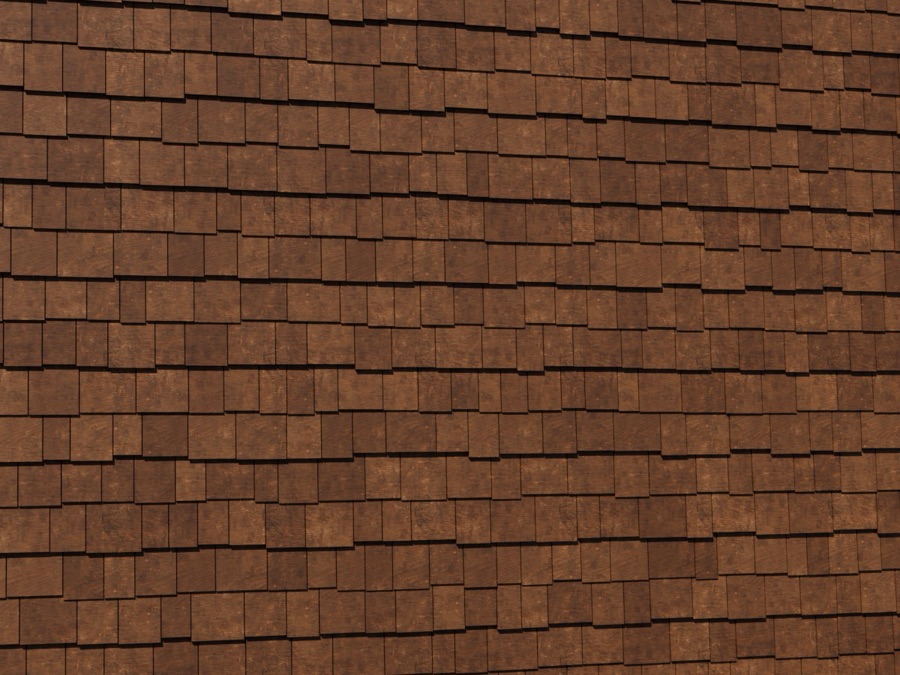
Small overlapping pieces with a staggered edge. The look of hand-split cedar, also made in fiber cement that will not burn or rot.
Suits gables, dormers and craftsman homes.

Flat vertical boards with a thin gap between them and no battens. The cleanest line of the six.
Suits modern homes and entry accents.
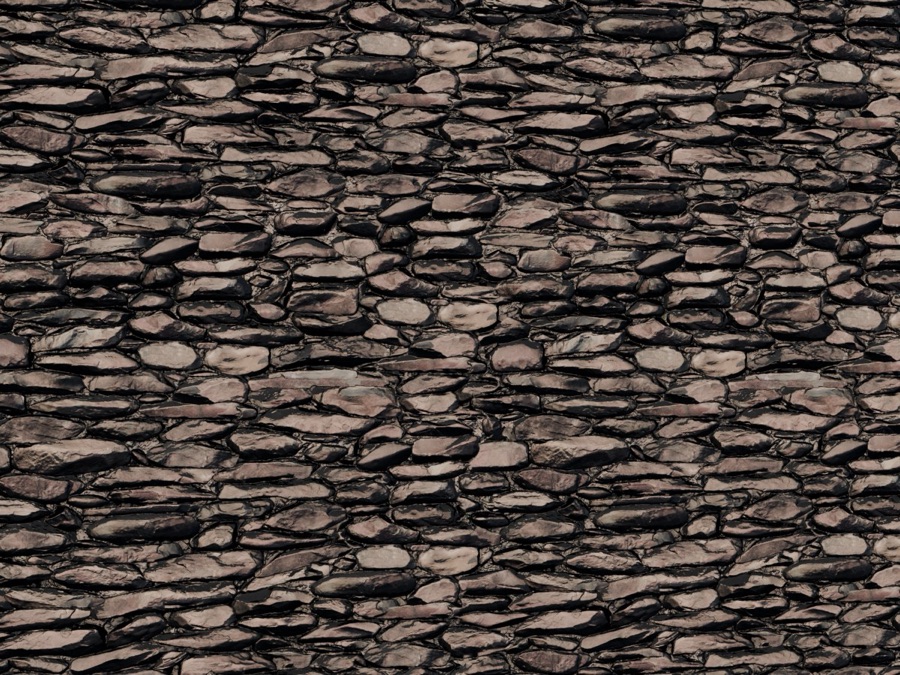
Not siding, strictly, but its usual partner: a band of stone along the base, around the entry or up a chimney.
Suits the bottom three feet of almost anything.
| Material | Lasts | Hail and sun | Wildfire code | Installed |
|---|---|---|---|---|
| Fiber cement | About 50 years | Holds up to both. Factory finishes resist fading. | Will not burn. Qualifies in mapped wildfire areas. | $7 to $13 / sq ft |
| Engineered wood | Decades with upkeep | Resists impact well. Lighter and quicker to install. | Burns, so it is limited in mapped wildfire areas. | $7 to $14 / sq ft |
| Vinyl | 20 to 40 years | Can crack in hail and cold, and fades in strong sun. | Allowed only over a fire-rated wall. | $3 to $12 / sq ft |
Sample renderings and demo figures from public 2025-26 guides. Kevin confirms which styles, materials and brands he installs before launch.
Built for here
Before and after
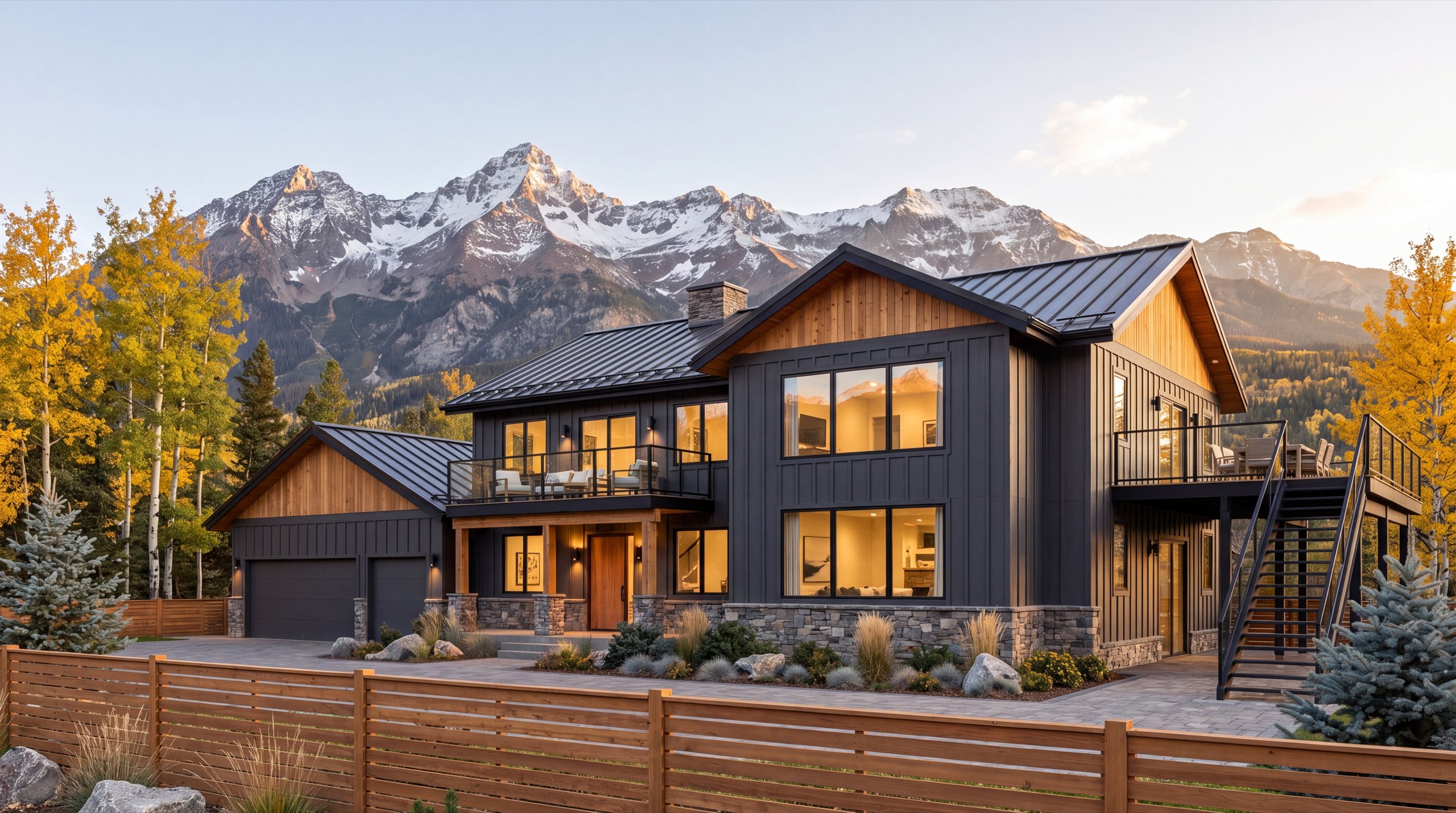
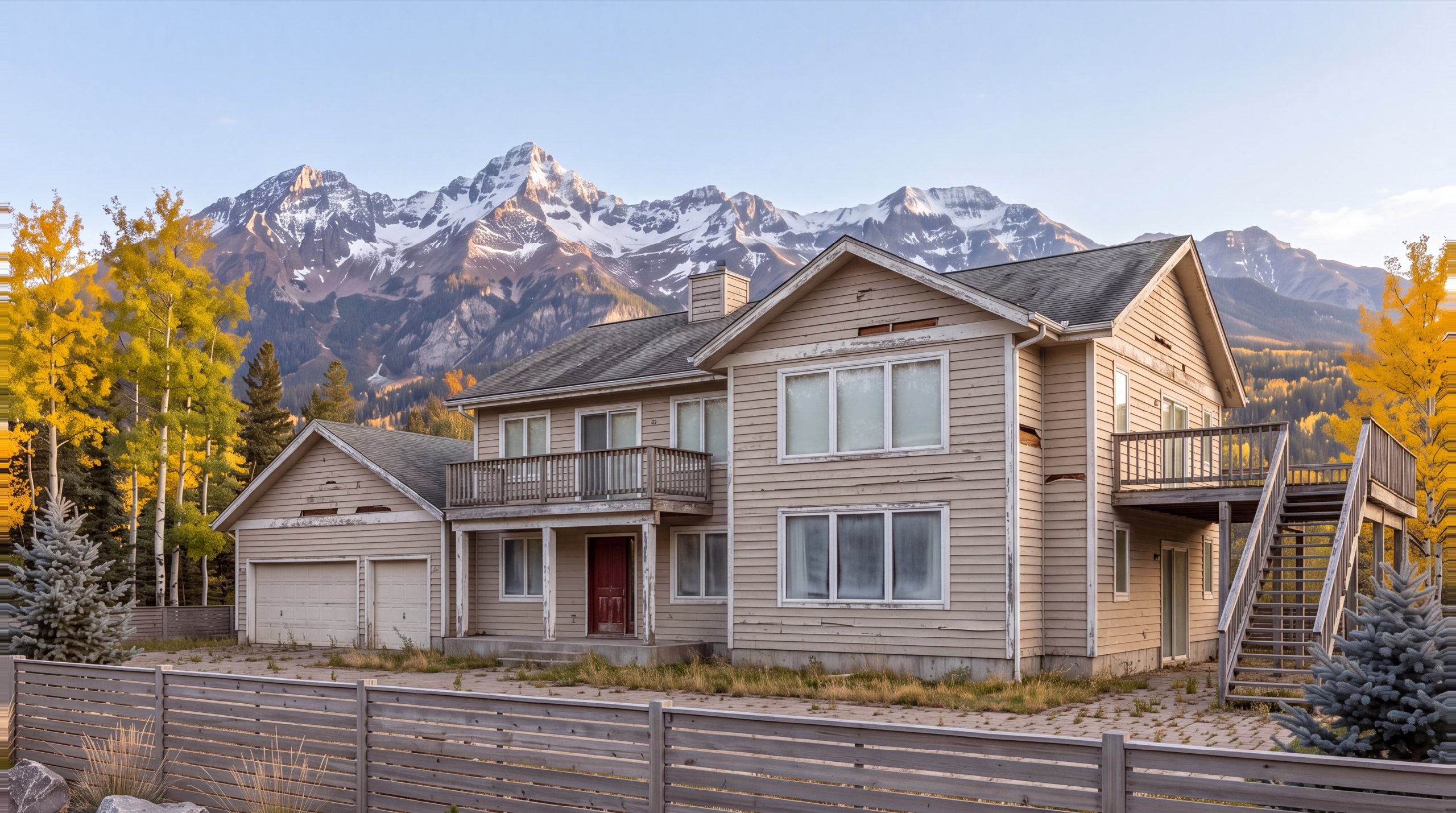
Concept images, not one of Kevin's jobs. His real job photos go here.
Design yours
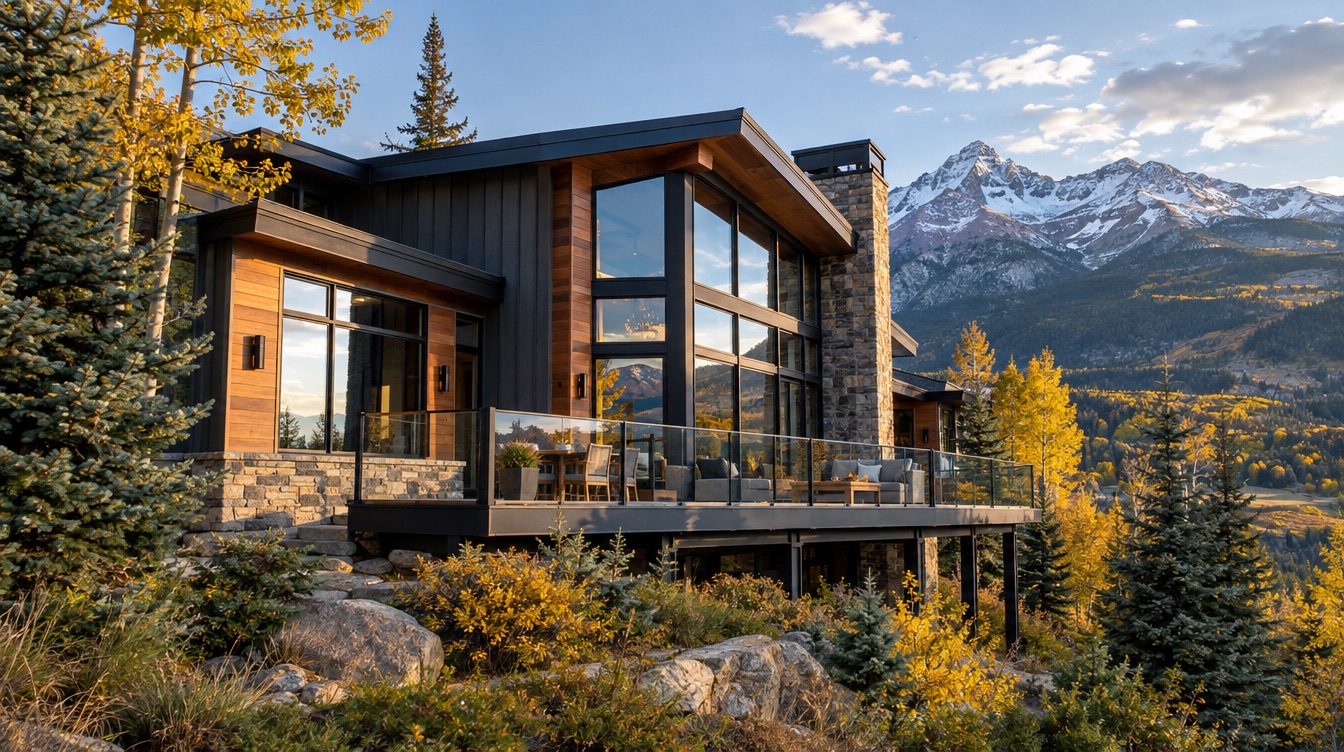
Pick siding, trim, windows and a deck in 3D. Send us the design and the first call is about your house, not a catalog.
Is it worth it?
Manufacturer warranty on materials plus our own on labor. Terms confirmed with Kevin.
Colorado licenses contractors by city. License numbers and insurance certificate go here.
Monthly payment options, if Kevin offers them.
Free quote
We call back within one business day, walk the property, and give you a written price. No pressure.